Introduction
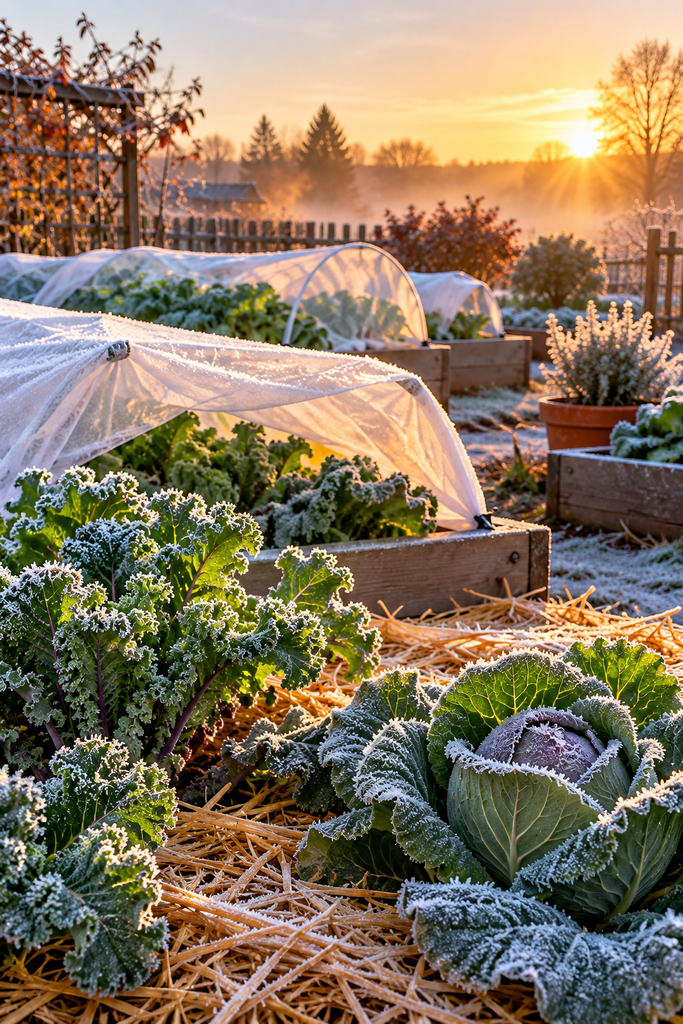
You’ve spent months caring for your garden. Then the weather forecast says “frost tonight”, and one cold night can turn healthy green plants into black, mushy leaves by morning.
The good news: you don’t need a greenhouse or expensive equipment to protect your plants. A few old sheets, a watering can and some mulch can save most of your garden through the first frosts of the season.
In this guide you’ll learn 8 simple ways to protect plants from frost, plus a step-by-step plan to winterize your whole garden so it comes back strong in spring.
How frost damages plants
When the temperature drops below freezing, water inside plant cells turns to ice. The ice crystals burst the cell walls, and when the plant thaws, the damaged leaves turn dark, limp and mushy.
Frost is most likely on clear, calm nights. Without clouds to hold in the warmth, heat escapes quickly from the ground and plants. Low spots in the garden are usually hit hardest, because cold air sinks and collects there.
| Type of cold | Temperature | What it does |
|---|---|---|
| Light frost | 29–32°F (−2 to 0°C) | Damages tender plants like tomatoes, peppers, basil and beans |
| Hard frost (freeze) | 28°F (−2°C) and below | Kills tender plants and can damage hardier crops |
Which plants need protection most
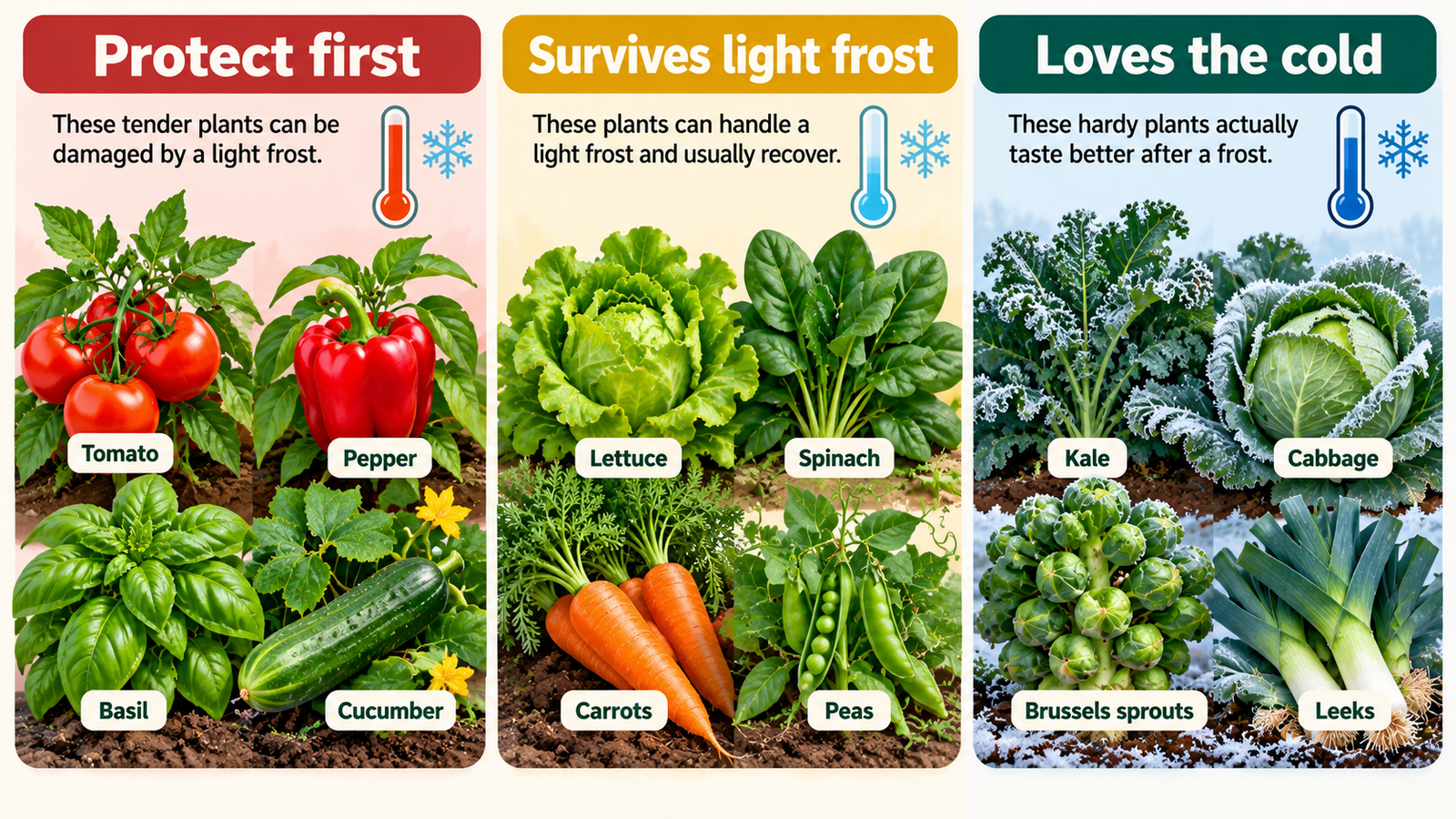
- Very tender (protect at the first frost warning): tomatoes, peppers, eggplant, basil, beans, cucumbers, squash, zucchini, sweet potatoes, most tropical houseplants left outside
- Fairly hardy (survive a light frost): lettuce, spinach, chard, beets, carrots, peas, broccoli
- Very hardy (many taste sweeter after frost): kale, cabbage, Brussels sprouts, collards, leeks, garlic, parsnips
8 ways to protect plants from frost
1. Cover them at night
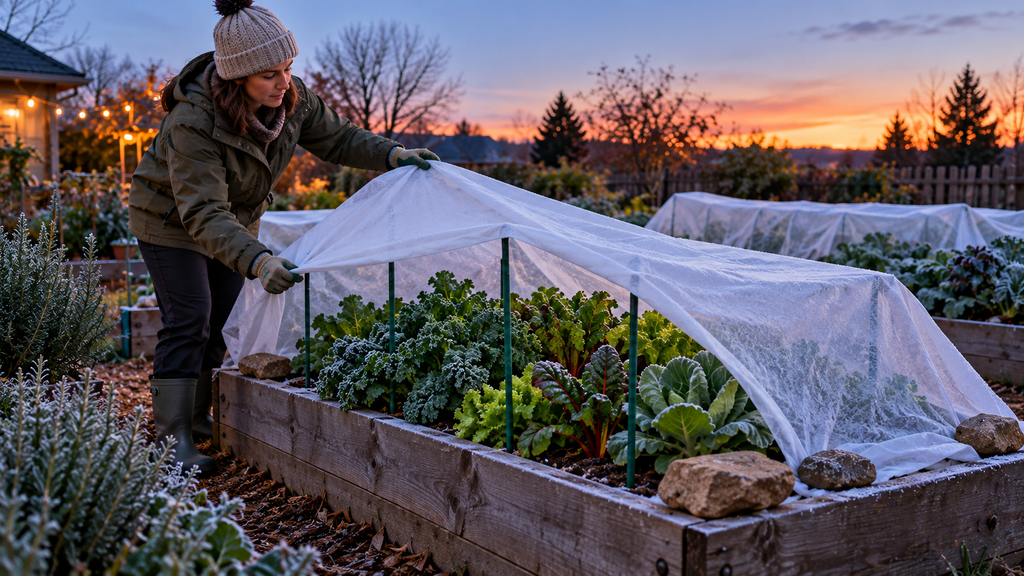
A cover traps the warmth rising from the soil and keeps frost from settling on the leaves. Frost cloth (also called row cover or garden fleece) is ideal because it lets air and light through, but old bedsheets, blankets, towels and cardboard boxes work well for a night or two.
How to do it: Cover plants in the late afternoon, before the sun goes down, so you trap the day’s heat. Let the cover reach all the way to the ground and weigh the edges down with stones or bricks. The warmth comes from the soil, so a cover that stops at the leaves won’t help much. For taller plants, push in a few stakes first so the fabric doesn’t crush them.
2. Water the day before
This is the tip most gardeners miss. Moist soil holds and releases heat much better than dry soil, so watering the day before a frost helps keep the air around your plants a few degrees warmer overnight.
How to do it: Water the soil (not the leaves) around midday, the day before the frost is forecast, so the sun can warm the wet soil. Avoid watering in the evening; water left on the leaves can freeze.
3. Mulch the roots
A thick layer of mulch works like a blanket for the soil. It keeps roots warmer, holds in moisture and protects perennials and root crops from freezing and thawing over and over.
How to do it: Spread 2 to 4 inches (5 to 10 cm) of straw, shredded leaves, wood chips or pine needles around the base of your plants. Keep it a little away from stems and tree trunks to prevent rot. Carrots, beets and parsnips can stay in the ground under a thick straw layer and be dug up through winter.
4. Bring pots inside
Roots in containers are much more exposed than roots in the ground, because cold air hits the pot from every side. A frost that barely touches your garden bed can freeze a potted plant solid.
How to do it: Move tender potted plants into a garage, shed, porch or the house on frosty nights. Herbs like rosemary and potted citrus or geraniums can spend the whole winter indoors in a bright spot. Move them back out on mild, sunny days if you like.
5. Group pots together
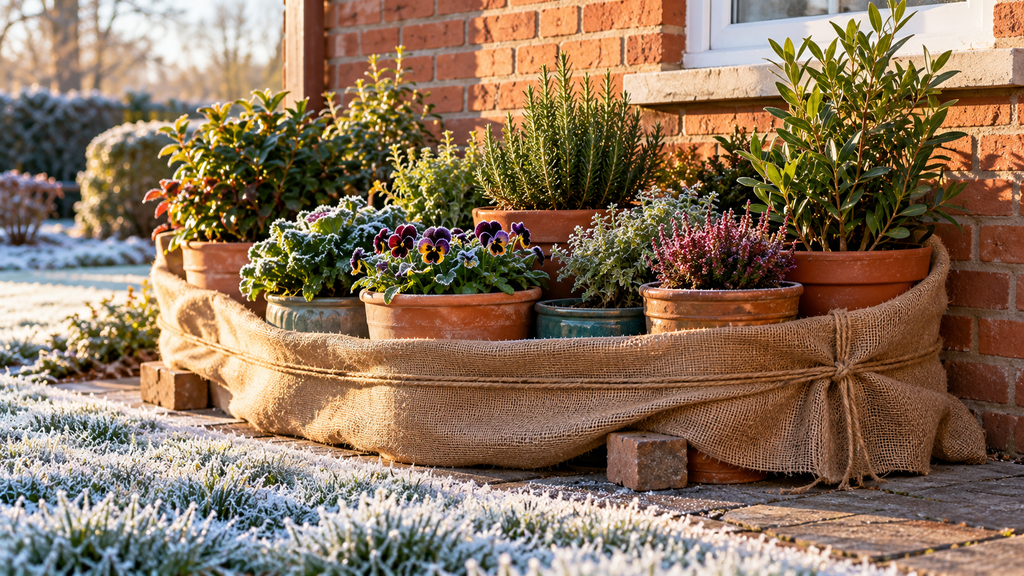
Pots that are too big to move can still be protected. Grouped together, they shelter each other and lose less heat than a single pot standing alone.
How to do it: Push your containers together against a south- or west-facing house wall, which soaks up heat during the day and releases it at night. Wrap the outside of the group in bubble wrap, burlap or an old blanket for extra protection.
6. Never let plastic touch the leaves
Plastic sheeting seems like a good frost cover, but it can make things worse. Plastic conducts cold, so any leaf touching it can freeze right through. On a sunny morning, plastic can also trap too much heat and cook the plants.
How to do it: If plastic is all you have, put a sheet or fabric layer underneath, or hold the plastic above the plants with stakes or hoops so it never touches the leaves. Remove it as soon as the sun comes out.
7. Use cloches or milk jugs
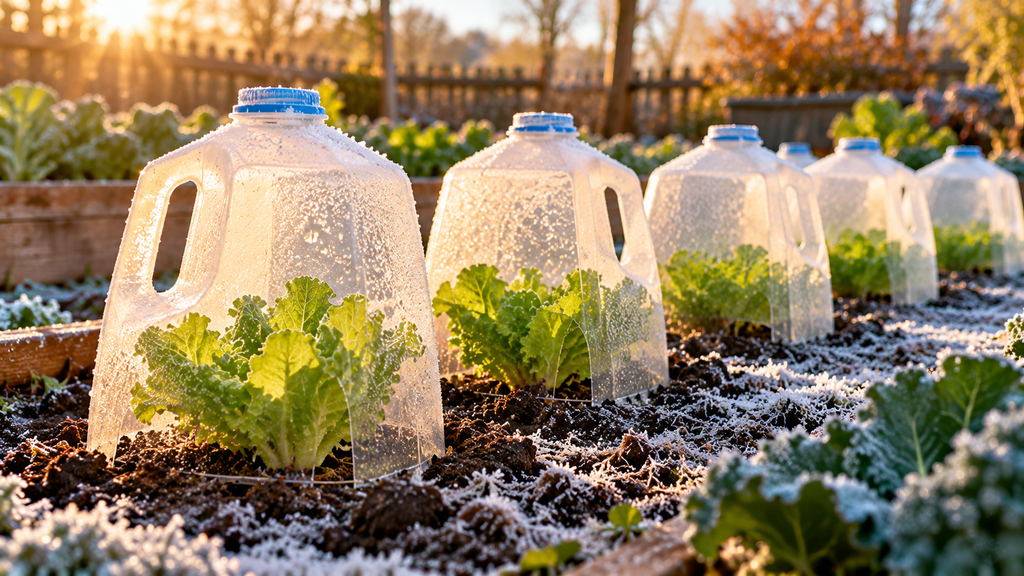
A cloche is a small cover for a single plant. You can buy glass or plastic ones, or make your own for free from a clear plastic milk jug or water bottle.
How to do it: Cut the bottom off a clear plastic jug and place it over a seedling, pressing it slightly into the soil. Take the cap off during the day so heat can escape, and put it back on at night. This is perfect for small lettuce, herbs and young transplants.
8. Uncover in the morning
Covers protect plants at night, but plants need sunlight and fresh air during the day. Leaving covers on can overheat plants on sunny days and encourage mould and disease.
How to do it: Remove covers once the temperature rises above freezing, usually mid-morning. Don’t rush to touch frozen plants; handling frozen leaves can damage them further. Let them thaw slowly on their own, and put the covers back in the evening if another frost is forecast.
How to winterize your whole garden
Frost covers save your plants for a night. Winterizing prepares the whole garden for months of cold, so it’s healthier and easier to plant in spring. Start once your summer crops are finished, usually a few weeks before your area’s first hard freeze.
Clean up the vegetable beds
Pull out finished and frost-killed annual plants like tomatoes, beans and squash. Diseased plants (with spotted, mouldy or blighted leaves) go in the trash, not the compost, so the disease doesn’t come back next year. Healthy plant material can go straight on the compost pile.
Leave the roots of beans and peas in the soil. They break down over winter and add nitrogen for next year’s crops.
Feed the soil for spring
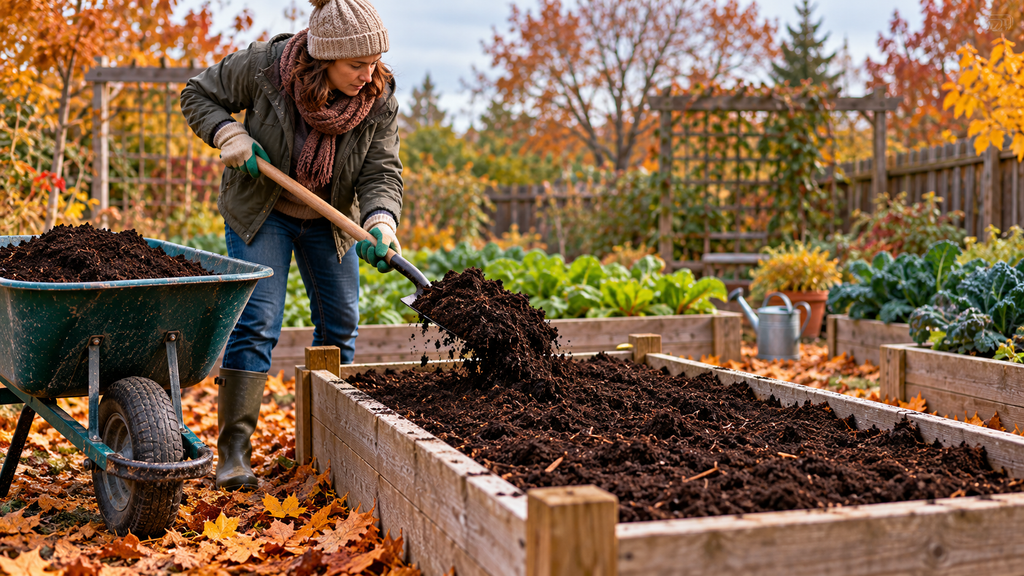
Autumn is the best time to improve your soil, because it has all winter to break down. Spread 1 to 2 inches (2.5 to 5 cm) of compost or well-rotted manure over empty beds. You don’t need to dig it in; worms and winter weather will work it into the soil for you.
Plant a cover crop or cover the beds
Bare soil washes away in winter rain and fills with weeds. Protect it one of two ways:
- Sow a cover crop such as winter rye, crimson clover or field peas in early autumn. It holds the soil in place and adds organic matter when you cut it down in spring.
- Cover the beds with a thick layer of shredded leaves, straw or cardboard if it’s too late to sow.
Protect perennials, roses and shrubs
- Perennials: After the ground starts to freeze, add 3 to 4 inches (7 to 10 cm) of mulch over the crowns. Leave seed heads on plants like coneflowers for the birds, and cut back plants that had disease.
- Roses: Stop pruning and feeding in late summer. Mound soil or compost about 10 to 12 inches (25 to 30 cm) high around the base of tender roses after the first hard frost.
- Young trees and shrubs: Water them deeply before the ground freezes. Wrap young tree trunks with tree guards to protect them from cracking and from rabbits.
- Tender bulbs: Dig up dahlias, gladiolus and cannas after frost blackens their leaves. Let them dry, then store them in a cool, dry, frost-free place in paper bags or boxes of dry peat or sawdust.
Plant garlic and spring bulbs
Autumn is planting time for garlic, tulips, daffodils and crocuses. Plant them a few weeks before the ground freezes so they can grow roots. Garlic planted now is ready to harvest next summer.
Look after containers and raised beds
Empty terracotta and ceramic pots that will stay outside, because wet soil freezes, expands and cracks them. Store them upside down or in a shed. Plastic and fiberglass pots can usually stay out.
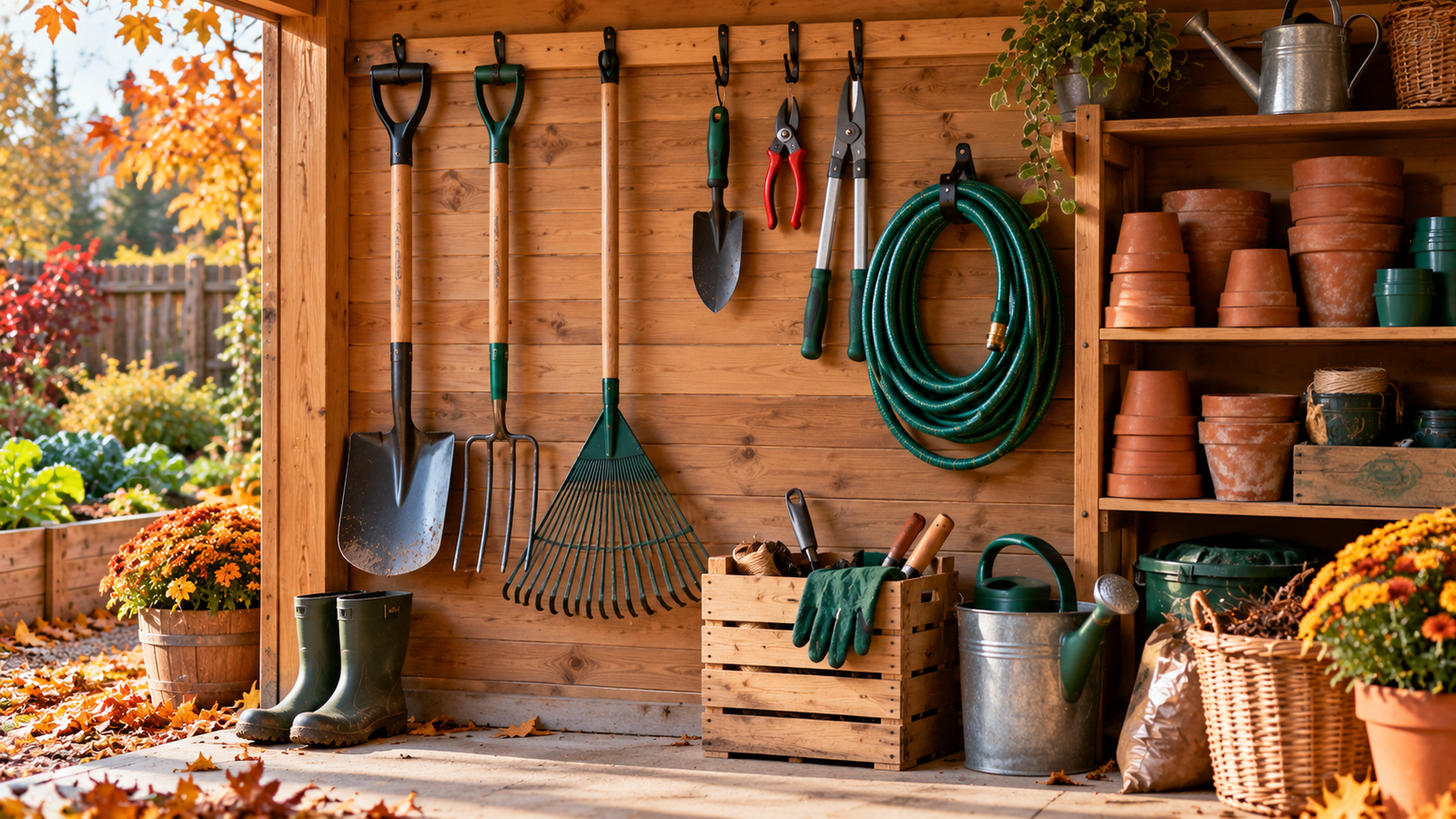
Care for tools, hoses and water
- Clean garden tools, dry them, and wipe metal parts with a little oil to stop rust.
- Drain and coil hoses and store them indoors. Water left in a hose can freeze and split it.
- Turn off and drain outdoor taps, or fit an insulated tap cover.
- Empty and clean bird baths that could freeze and crack, or use a heated one.
Make notes for next year
While it’s fresh, write down what grew well, what failed and where you planted each crop. It makes crop rotation and next year’s planning much easier.
Your winter garden checklist
When frost is forecast
- Water the soil around midday the day before
- Bring tender potted plants inside
- Group large pots against a warm wall
- Cover plants in the late afternoon, edges to the ground
- Put cloches or milk jugs over seedlings
- Uncover plants mid-morning once it’s above freezing
Before the first hard freeze
- Pull finished annual crops (diseased plants in the trash)
- Spread compost over empty beds
- Sow a cover crop or mulch bare soil
- Mulch perennials and root crops left in the ground
- Dig up and store tender bulbs
- Plant garlic and spring bulbs
- Empty and store terracotta pots
- Clean and oil tools; drain hoses and outdoor taps
- Write notes for next year
Frequently asked questions
At what temperature should I cover my plants? Cover tender plants whenever the forecast drops to 36°F (2°C) or below. Frost can form on plants even when the official air temperature stays slightly above freezing, especially on clear, calm nights.
Can I use a bedsheet to cover plants? Yes. Cotton sheets, blankets and towels all work for a night or two. Just remove them in the morning, and avoid letting heavy, wet fabric crush delicate plants.
Can frost-damaged plants recover? Often, yes. Wait a few days before cutting anything back, because it can take time to see which parts are really dead. Hardy plants usually regrow from undamaged stems or roots. Tender annuals like basil or tomatoes rarely recover from a hard frost.
Should I water plants before a freeze? Yes, water the soil (not the leaves) during the day before the freeze. Moist soil holds more heat than dry soil and helps protect the roots.
When should I start winterizing my garden? Start when summer crops finish, and aim to complete the main jobs a few weeks before your average first hard freeze. Check your local first frost date online or with a local gardening centre.
Conclusion
Protecting your garden from frost doesn’t take expensive equipment, only good timing. Water the day before, cover plants in the late afternoon, and uncover them in the morning. Then use the quieter weeks of autumn to clean up, feed your soil and put the garden to bed. A little work now means healthier plants and an easier start next spring.
Planning new beds for spring? See How to Fill a Raised Garden Bed Cheaply. And if you keep a Christmas cactus indoors this winter, here’s how to get your Christmas cactus to bloom.